
COMMON CONCERNSPorn Addiction & Compulsive Porn Use Support in Sydney
We don't call it porn addiction.
That's not a formally recognised diagnosis, and the word "addiction" tends to adds shame and judgement more so than being supportive to shift the behaviour.
Instead, we call it problematic or compulsive use if it’s causing problems in your life, or if you're struggling to control how often or how much you're watching. This is not about frequency...

Signs it might be worth talking to someone
There's no magic number of hours or times a week. It's more about what porn is doing in your life than how often you watch.
Common signs:
Lying to a partner about how much time you're spending on it
Using it to avoid conversations about sexual dissatisfaction in your relationship
Noticing it's become the default way you cope with stress, loneliness, or boredom, instead of one option among many
Trying to cut down and finding it harder than expected
Feeling shame or secrecy building up around your use
Falling behind at work, study, or other responsibilities because of time spent on it
How to change your relationship with porn
In sessions, we start by getting clear on your triggers: boredom, loneliness, relationship tension, lack of sexual satisfaction or something else, because that's what actually points toward change.
From there, it's about building other ways to meet the need porn has been meeting, and working through whatever it's been helping you avoid.
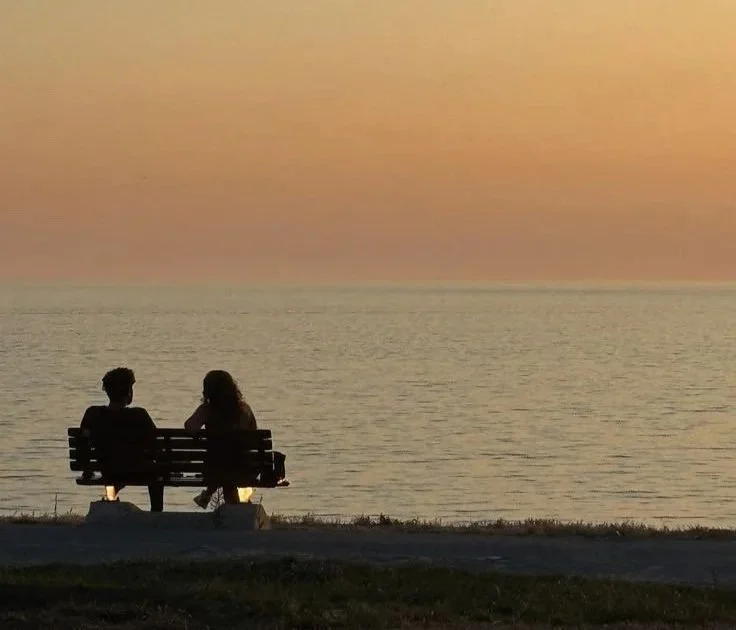
If porn is affecting your relationship…
If porn use has caused hurt, secrecy, or a breach of trust with a partner, you don't have to work through that alone or separately.
We can work with you individually, or bring your partner into sessions to talk through what's happened and rebuild from there, whatever feels right for you.
Meet our porn specialised therapists
Taylor Neal (she/they)
Somatic Sexologist

Taylor’s approach is somatic and trauma informed, with a strong focus on the psychosomatic elements of sexual concerns including problematic pornography use.
Katherine Rolfe (she/her)
Sex and Relationship Therapist (Online)
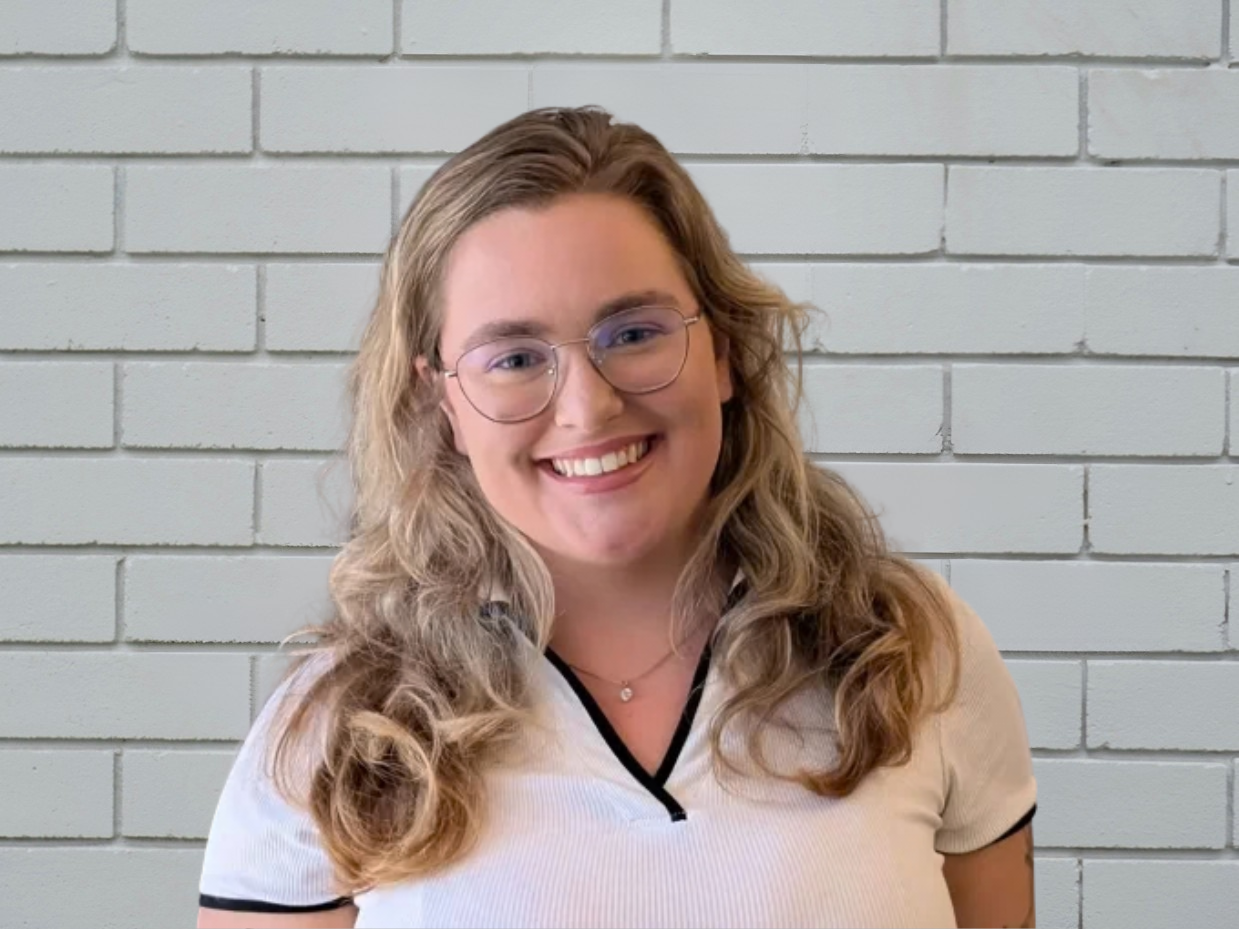
Katherine works with sexual concerns holistically, with a psychological, emotional, relational and physical lens.
Grace Crawford (she/her)
Sex Therapist and Counsellor

Grace draws from a range of modalities, including person-centred, narrative therapy, CBT/ACT and somatic practices.
You don’t have to figure this out alone.
Whatever's brought you here, our therapists approach this without judgment or lectures. The goal is understanding your relationship with porn, not policing it.Not sure whether your porn use is a problem? Read healthy porn use vs porn addiction for a clear, judgement-free explanation.
Common myths about porn
-
100% myth. The truth is: most people who watch porn don't develop a problematic relationship with it.
-
Myth. For some people that's the goal, yes. But for others it's about building a different, more intentional relationship with porn. Both are valid, depending on what you want.
-
Myth. It’s more about what need porn has been meeting, and building other ways to meet it.
-
MYTH. There's no formal diagnosis of "porn addiction," but the pattern (feeling out of control, negative impact on your life) is real and treatable regardless of the label.
Frequently asked questions about porn
-
It’s not an official diagnosis. The pattern (feeling out of control, negative impact on your life, difficulty stopping despite wanting to) is what’s real and treatable.
-
Watching porn in moderation is not unhealthy, but it can become harmful depending on how it impacts your daily life.
-
Not necessarily. For some people that's the goal, for others it's about building a different and healthy relationship with it. We'll figure out what fits for you.
-
Yes, therapist confidentiality is a legal and ethical framework and always applies.
-
Yes, you can get in trouble for watching porn IF the content involves minors, non-consensual acts, or extreme violence.
-
Yes, we offer both online and face to face sessions in Surry Hills. You are welcome to choose to attend some sessions online and some in person, we have an option on our booking form to notify your therapist how you will be showing up for the session.
-
Yes, although it depends on the therapist. Get in touch with the clinic and we can talk you through what applies to your situation.