
Sydney Mardi Gras: From Street Protest to Iconic LGBTQIA+ Pride Festival
Source: Australian Lesbian and Gay Archives
By Grace Crawford-Smith
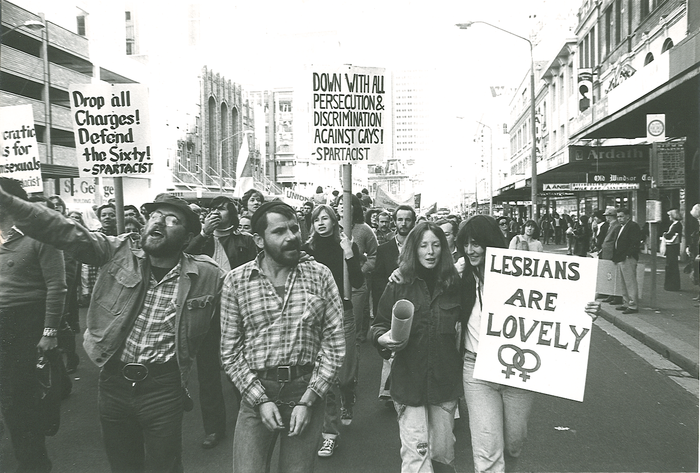
What started as a small street parade organised by ‘Sydney’s Gay Solidarity Group’ in June 1978 has evolved into one of the most recognised and celebrated LGBTQIA+ pride parades in the world.
The first ‘Gay Mardi Gras Parade’, as it was called at the time, ended in brutal violence from police, countless arrests, and unforgettable trauma for the queer community. The brave people who peacefully marched to acknowledge the ninth anniversary of the Stonewall uprising in New York are now known as ‘the 78ers’.
Sadly, the daytime march and evening parade shared the experience of police brutality with the Stonewall rebellion. Supporters of arrested people created “drop the charge” campaigns, which initially led to further arrests.
Charges against all arrested were eventually dropped, and laws regarding street marches and parades were made to be less strict - public opinion was changing. The second Mardi Gras parade happened a year later in 1979, and there were no arrests.
The event continued annually, through the fear and grief of the AIDS epidemic, during which organisers were encouraged to cancel the parade. Mardi Gras went ahead despite this, demonstrating the importance of community, solidarity, and resilience.
Sydney, and Australia more broadly, had one of the most effective responses to the AIDS crisis in the world. The continued Mardi Gras parade required working relationships between the police and organisers.
Yet, staggering numbers of queer people in Sydney were murdered during the 70s, 80s, and 90s. Approximately 88 men are estimated to have been murdered at the Bondi to Tamarama coastline, and many of these deaths were unreported, or described as accidents or suicides.
Police responses to these hate crimes were characterised by inaction, negligence, and incompetence. The 2022 NSW Special Commission of Inquiry into LGBTIQ Hate Crimes revealed the lack of concern many police shared towards the death of queer people.
In the 1990s, the economic impact of Sydney Mardi Gras was estimated at about $30 million, and it became considered a “hallmark event” by The City of Sydney. Hallmark events are defined by their status on an international level, significant attraction for tourism, and the inextricable link between the event and the location it is held at.
Due to the history of the NSW police and their treatment of members of the queer community, many people argue ‘no cops at pride’. However, some members of the community argue that it’s important that LGBTQIA+ police can march at Mardi Gras. The event has allowed police to march in plain clothes only at times. The debate has remained a focus in recent years.
Sydney Mardi Gras is a social, cultural, political and economic event which has evolved over decades since 1978. The pride event draws significant tourism from around the country and across the globe.
Sydney Mardi Gras has always dealt with serious political issues of the times, while creating a festive and flamboyant atmosphere. Sydney Mardi Gras is a place for representation to challenge gender norms, reclaim sexuality and honour queerness.
Highly visible pride events such as Sydney Mardi Gras impact the acceptance of many individual’s personal identity, as well as the acceptance of friends, family and the broader community.
Sydney Mardi Gras 2026 theme ECSTATICA ‘electrified’ Sydney recently. Sadly, the Mardi Gras official party was cancelled this year, due to ‘significant financial loss’ created by rising delivery costs and capacity constraints, as well as withdrawal of the headline artist.
The cancellation was described as “heartbreaking” by chief executive Jesse Matheson. An estimated 250,000 to 300,000+ spectators and 9,000 marchers still attended this year’s Mardi Gras, which marks the 48th event since the original parade.
The 78ers marched with a “Stop Police Attacks on Gays Women and Blacks” banner. You can learn more about the evolution of Sydney Mardi Gras over the last 48 years from the 78ers.